[ Areas We Serve ]
Bon Air
Quick Free Estimates To Anyone Who Fills Out Our Form Below.
All fields are required.
How to Identify a Failing Culvert System
A well-functioning culvert system is essential for protecting your property from flooding, erosion, and costly water damage. Culverts are designed to let water pass safely beneath your driveway or property — but over time, they can wear out, clog, or collapse, causing serious problems you might not notice right away.
If you’ve seen standing water, sinking driveways, or unusual erosion, it may be time to take a closer look. Here’s how to identify the warning signs of a failing culvert system before it leads to expensive damage.
What Is a Culvert System and Why It’s Important
A culvert system is a buried pipe or structure that channels rainwater, storm runoff, or stream flow beneath your driveway, road, or yard. It prevents water from pooling, flooding, or washing away soil and gravel.
When a culvert begins to fail, water no longer flows as it should — and instead, it starts damaging your driveway foundation, yard, or even nearby structures. That’s why recognizing early signs of failure is so important.
1. Standing Water or Poor Drainage
One of the first signs of a problem is standing water near your driveway, ditch, or culvert inlet.
If water doesn’t flow freely through the pipe after a rainfall, it means something is blocking or restricting the flow — often due to debris buildup, sediment, or internal collapse.
Left unchecked, this can cause erosion and flooding around your driveway and yard.
2. Erosion Around the Driveway or Ditch
Erosion is a clear indicator that your culvert isn’t directing water properly.
If you notice:
Washed-out areas beside your driveway,
Exposed soil or roots, or
Deep grooves forming along your ditch,
these could be signs that water is escaping the culvert instead of flowing through it. Over time, this weakens your driveway base and can lead to partial collapse.
3. Sinkholes or Soft Spots on Your Driveway
If your driveway feels spongy, uneven, or has visible sinkholes, your culvert may have collapsed or separated underground.
This happens when the pipe structure deteriorates, allowing water to erode the soil beneath the surface.
Ignoring this sign can lead to major driveway damage and unsafe conditions for vehicles.
4. Rust, Cracks, or Structural Damage on the Culvert Pipe
If you can see the ends of your culvert, check for visible damage:
Rust or holes in metal pipes,
Cracks in concrete pipes,
Deformed or separated joints in plastic pipes.
These signs mean your culvert has lost its integrity and may soon fail completely. If rust has eaten through or cracks are widening, replacement is usually necessary.
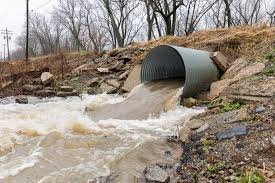
5. Water Flowing Over the Driveway Instead of Through the Culvert
If you see water running across the top of your driveway during heavy rain, that’s a major red flag.
It means your culvert is either clogged, undersized, or collapsed, forcing water to find another path. This can quickly erode your driveway surface, wash away gravel, and damage the sub-base underneath.
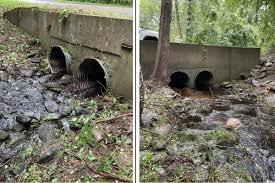
6. Sediment or Debris Buildup at Culvert Openings
A healthy culvert has clean inlets and outlets with visible water flow.
If you notice mud, rocks, or plant growth blocking the openings, your culvert’s capacity is compromised. This often indicates that the slope has flattened or the system has shifted underground.
Regular cleaning and grading can prevent this from escalating into full system failure.
7. Age and Material Wear
Even if you don’t see visible damage, older culverts may be approaching the end of their lifespan.
Metal culverts typically last 20–40 years before corrosion sets in.
Concrete culverts can last 50+ years but may crack or shift over time.
Plastic (HDPE) culverts resist rust but can deform under heavy loads if not properly installed.
If your culvert system is decades old, consider a professional inspection — early replacement can prevent costly driveway reconstruction later.
Professional Culvert Inspection and Solutions
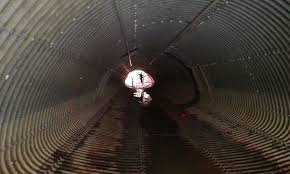
A professional drainage contractor can inspect your culvert system using specialized equipment to locate clogs, leaks, or collapses underground.
At RVA Construction Services, we provide:
✅ Culvert inspection and maintenance
✅ Culvert pipe repair and replacement
✅ Driveway drainage and regrading
✅ Gravel driveway resurfacing
We use durable materials like corrugated metal and HDPE pipes to ensure long-lasting drainage performance and driveway protection.
Why Early Action Matters
Ignoring early culvert problems can lead to expensive repairs later — including driveway collapse, foundation damage, or major erosion.
By identifying issues early, you can repair or replace your culvert before it fails, saving time, money, and hassle.
Final Thoughts
Your culvert system may be hidden underground, but it plays a vital role in protecting your property from water damage.
By watching for signs like standing water, erosion, or driveway sinking, you can spot a failing culvert early and take action before major damage occurs.
If you suspect your culvert isn’t working properly, don’t wait for the next storm to find out — get it inspected by professionals.
Contact RVA Construction Services Today
Need help with a failing culvert system in Richmond, VA, or nearby areas?
At RVA Construction Services, we specialize in culvert repair, replacement, and driveway drainage solutions that protect your property and restore proper water flow.
📞 Call Us Today: 804-504-2050
🌐 Visit: https://rvaconstructionservices.com/
💧 Keep your driveway safe — with professional culvert repair and installation done right!