[ Areas We Serve ]
Carmel Church
Quick Free Estimates To Anyone Who Fills Out Our Form Below.
All fields are required.
Tools and Equipment Needed for a Proper Culvert Installation
Installing a culvert might seem straightforward—just dig a trench and drop in a pipe, right? Not exactly. A proper culvert installation requires precision, planning, and the right tools and equipment to ensure correct water flow, stability, and long-term performance.
Whether you’re installing a new driveway culvert or replacing a damaged one, having the right setup makes all the difference. Let’s explore the essential tools and equipment needed for a safe, effective, and long-lasting culvert installation.
1. Excavation Equipment
🏗️ Mini Excavator or Backhoe
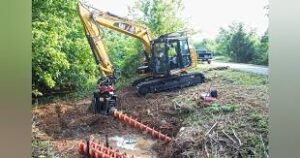
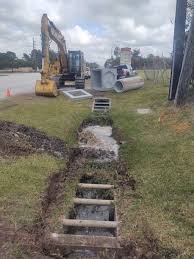
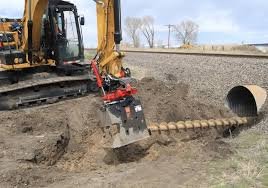
The most important tool for any culvert project is an excavator or backhoe.
It’s used to dig the trench for the culvert pipe and shape the ditch to the correct slope.
A mini excavator works best for residential or tight-access properties, while a larger backhoe may be needed for deeper or wider ditches.
Proper trench depth and angle are critical for ensuring water flows smoothly through the culvert.
⚒️ Trenching Shovel and Hand Tools
For smaller or fine-tuning tasks, shovels, spades, and trenching tools help shape and adjust the area around the culvert. These are also useful for cleaning around the pipe ends or compacting smaller spaces.
2. Grading and Leveling Tools
📏 Laser Level or Transit Level
Precision is key in culvert installation. A laser level or transit level ensures the pipe is laid at the proper slope—too flat and water will pool, too steep and erosion can occur.
These tools guarantee accurate grading so the culvert drains efficiently.
📐 Measuring Tape and Stakes
Before digging begins, use stakes and measuring tape to mark the exact placement, length, and alignment of your culvert. This ensures the pipe fits perfectly beneath your driveway or ditch.
3. Base and Backfill Preparation Equipment
🪣 Dump Truck or Utility Trailer
You’ll need a way to transport gravel, crushed stone, or fill material to and from the work site. A dump truck or heavy-duty trailer makes hauling and spreading much faster.
🪨 Plate Compactor or Hand Tamper
Compaction is one of the most important steps in culvert installation.
After placing the gravel base and backfill, a plate compactor (for large projects) or hand tamper (for smaller jobs) ensures the material is tightly packed to prevent future settling and driveway damage.
🧱 Gravel or Crushed Stone
While not a “tool,” it’s a key installation material.
A layer of crushed stone or gravel provides a stable, well-drained base for the culvert pipe, helping maintain its shape and preventing erosion underneath.
4. Pipe Placement and Alignment Tools
🔧 Pipe Lifting Straps or Chains
Depending on the pipe’s size and weight, lifting straps or chains help position the culvert safely into place without damaging it.
🪚 Pipe Couplers and Sealing Tools
If your culvert installation involves multiple pipe sections, you’ll need pipe couplers or bands to connect them securely. A tight seal ensures there are no leaks or water seepage between joints.
5. Safety Gear
Installing culverts involves heavy machinery and moving soil—so safety gear is non-negotiable.
Essential protective equipment includes:
Safety gloves and boots
High-visibility vests
Hard hats
Eye and ear protection
If you’re working near a roadside or driveway, always use safety cones or barriers to keep the area secure.
6. Finishing Tools and Materials
🚜 Grader Blade or Rake
Once the culvert is buried and compacted, use a grader blade or landscaping rake to level the driveway surface and shape the area for smooth transitions.
🪨 Driveway Gravel or Asphalt Patch
For gravel driveways, fresh crushed stone restores a clean, durable surface.
For paved driveways, asphalt or concrete patching materials may be used to seal the installation area seamlessly.
7. Optional Professional Equipment
Some professional contractors use advanced tools that make culvert installation faster and more precise:
Water flow testers to ensure drainage works correctly
Soil compacting rollers for large driveways
GPS grading systems for exact slope calibration
At RVA Construction Services, our experienced team uses these advanced tools to ensure every culvert installation meets local drainage standards and performs perfectly for decades.
Why the Right Equipment Matters
Using the proper tools isn’t just about convenience—it’s about getting the slope, depth, and stability right the first time.
Improperly installed culverts can lead to:
Poor drainage and flooding
Driveway erosion
Early pipe failure or collapse
Professional contractors ensure the job is done safely, efficiently, and built to last.
Final Thoughts
A properly installed culvert is essential for drainage, driveway protection, and long-term property value. With the right tools and expertise, you can ensure that water flows where it should—without damaging your driveway or landscaping.
If you want the job done right, trust the professionals who have the right equipment and experience to handle every step with precision.
Contact RVA Construction Services Today
For expert culvert installation, repair, or replacement near Richmond, VA, call RVA Construction Services.
We use professional-grade equipment and proven techniques to ensure your culvert system works perfectly and lasts for years.
📞 Call Now: 804-504-2050
🌐 Visit: https://rvaconstructionservices.com/
💧 Proper tools. Professional installation. Reliable drainage — guaranteed.