
[ Areas We Serve ]
Huguenot

Quick Free Estimates To Anyone Who Fills Out Our Form Below.
All fields are required.
Drainage Made Easy in Huguenot, VA
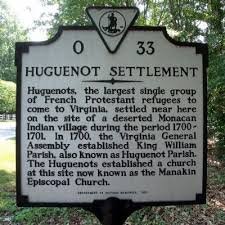
Huguenot, Virginia is more than just a place on a map; it’s a living testament to a unique history that shapes everything, including the mundane yet crucial task of culvert pipe repair. Located in Powhatan County, the area’s name itself is a nod to the French Huguenot refugees who settled here in the early 1700s, seeking religious freedom. These resourceful pioneers had to master the art of taming the local waterways, a legacy that continues today. While culverts are often seen as just simple drainage solutions, here they represent a continuation of that early effort to manage the land, connect communities, and ensure prosperity. So, when you see a repair crew working on a culvert in Huguenot, you’re not just witnessing a construction project; you’re seeing the latest chapter in a story of adaptation and community building that began centuries ago with a group of determined settlers.
A Culvert’s Tale: The Huguenot Way 📖
In Huguenot, a culvert is a character in a story, not just a pipe. It’s about protecting the land and the people on it.
- When a Culvert Gets Sick: It’s a sad day when a culvert starts to fail. Maybe it’s a metal one, rusting away like an old shipwreck. Or a concrete one, cracking under the weight of time and traffic. It’s a sign that the land is pushing back, that the flow of water is being challenged.
- The Doctor’s Visit (Repair): For minor issues, we don’t just replace; we heal. Think of it as a bypass surgery for a pipe. Slip lining is a popular technique here. A new, smaller pipe is slid into the old one, and the space between is filled. It’s a non-invasive way to give the old culvert a new lease on life, a testament to the old-world value of making things last.
- The Full Restoration (Replacement): Sometimes, the story ends, and a new one must begin. When a culvert is beyond repair, it’s a full-on excavation. The old, failed pipe is removed, and a brand-new one is laid down. This process, while more extensive, is about building for the future. It’s a modern investment in the land, ensuring that the next generation of Huguenot residents has a stable foundation.
- The New Beginning (Installation): For new projects, like a new driveway or development, a culvert installation is a carefully planned event. The process respects the land and its history. It’s not just digging a hole and dropping in a pipe. It’s about ensuring the new culvert is the right size, material, and slope to handle the water flow, so it doesn’t become a problem in the future. This is done with an eye toward preserving the delicate balance of the Huguenot landscape.
Whether it’s a minor repair or a complete overhaul, every culvert project in Huguenot tells a story about caring for the land and honoring the past while building for the future. It’s a quiet but powerful act of stewardship, continuing a tradition started by the first Huguenot settlers who made this area their home.
Huguenot, Virginia traces its roots to the early 1700s when French Huguenot refugees, seeking freedom from religious persecution, were granted land to settle in the area that is now Powhatan County. These resourceful settlers established a community known as Manakin Town on the James River, a site previously occupied by the Monacan people. Despite facing initial hardships and a challenging frontier environment, the Huguenots persevered, building a life centered around their farms and their faith. While the original settlement of Manakin Town eventually dispersed as families moved to their individual land parcels and assimilated into the broader English-speaking culture, their legacy endured, giving the area its name and a deep-seated connection to a history of resilience and determination.
While there are many people with Huguenot ancestry who became famous, the specific community of Huguenot, Virginia, in Powhatan County is more historically significant for the collective group of settlers who founded the area rather than a single, universally known individual. The most prominent historical figure associated with the county’s name is Chief Powhatan himself, the paramount chief of the Powhatan Confederacy, whose territory included this land. Although he was not a Huguenot settler, his influence and leadership in the region pre-date and define a significant part of the area’s history, as the county was named in his honor.
Let me know if you’d like help finding trusted local professionals or crafting a tailored quote request! https://rvaconstructionservices.com/contact-us/