
[ Areas We Serve ]
King William
Quick Free Estimates To Anyone Who Fills Out Our Form Below.
All fields are required.
Fixing & Replacing Culvert Pipes in King William, Virginia
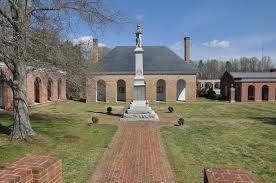
When you think of King William, Virginia, you might picture its historic courthouse, the oldest in continuous use in the United States, or the gentle curves of the Mattaponi and Pamunkey Rivers. This is a place where history isn’t just in books; it’s a living part of the landscape. And in a place this old, even something as simple as a culvert pipe has a story to tell.
The Timeless Problem of Water 💧
For centuries, the people of King William have dealt with the same fundamental challenge: managing water. From the Pamunkey and Mattaponi tribes who navigated these rivers long before colonial times, to the farmers and homesteaders who built their lives along the waterways, controlling the flow of water has always been a top priority. A culvert, in this context, is more than just a piece of infrastructure; it’s a modern-day tool in that ancient effort.
- A Legacy of Erosion: The rich, fertile soil of King William, so vital for agriculture, is also susceptible to erosion. When a culvert fails—from rust, a crack, or a blockage—it can lead to washouts that eat away at the land, undoing years of hard work in a matter of hours.
- A Matter of Access: Whether it’s a small culvert under a private drive or a large one beneath a county road, these pipes are the gatekeepers of access. A damaged culvert can make a road impassable, isolating homes and businesses and cutting off essential routes.
The King William Culvert Code 🛠️
In King William, culvert work isn’t just about digging and replacing. It’s done with a sense of respect for the land and its history.
- Repair: A Stitch in Time: For a culvert with minor issues, the approach is often one of preservation. Techniques like pipe relining can create a new culvert within the old, preserving the surrounding landscape and minimizing disruption. It’s a method that echoes the county’s deep-rooted values of maintaining what’s already there.
- Replacement: A New Chapter: When a culvert is beyond saving, a replacement is a carefully considered process. Contractors in King William understand the unique soil and water conditions of the area. They choose materials that can withstand the test of time, ensuring that the new culvert will serve the community for decades to come.
- Installation: Building on the Past: A new culvert installation is a deliberate act of building for the future. It’s a part of modernizing the county’s infrastructure while staying true to its heritage. Proper installation, guided by local knowledge of drainage patterns and soil types, ensures that new construction enhances the landscape without causing future problems.
So, the next time you cross a small bridge or a gravel drive in King William, take a moment to appreciate the humble culvert. It’s a quiet testament to the county’s past, its present, and its ongoing effort to balance progress with preservation.
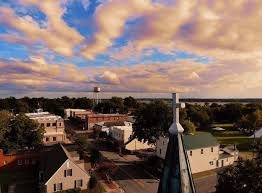
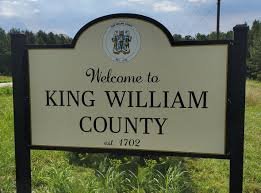
King William, Virginia, established in 1702, is the county seat of King William County—one of the oldest counties in the Commonwealth. Named in honor of King William III of England, the town is home to the historic King William County Courthouse, built in 1725 and recognized as the oldest courthouse in continuous use in the United States. The area’s history stretches back even further, with ties to the Powhatan Confederacy and Virginia’s colonial beginnings. Today, King William blends its deep heritage with a quiet, rural character, offering a glimpse of both Native American and colonial history in the heart of Virginia.
One of the most prominent figures connected to King William, Virginia, is Opechancanough, the respected leader of the Powhatan Confederacy in the early 1600s. Believed to have been born in the region that later became King William County, Opechancanough was the younger brother of Chief Powhatan and played a key role in the history of Native American and English relations in Virginia. Known for his leadership and determination to defend his people’s lands, he led major resistance efforts against English colonization during the 17th century. Today, his legacy is remembered as part of King William’s deep Native American heritage, with the county still home to the Mattaponi and Upper Mattaponi tribes who proudly preserve this history.
Let me know if you’d like help finding trusted local professionals or crafting a tailored quote request! https://rvaconstructionservices.com/contact-us/